Treatments
Plastic Surgery
Face, breast and body procedures, discussed with the treating surgeon.

Treatment overview
This treatment area includes several different pathways. Safe comparison starts with anatomy, goals, anaesthesia, surgical risk, scars and recovery; a licensed provider must confirm the indication, alternatives and final plan.
The treating team should review your goals, relevant history and clinical findings before recommending an approach.
Your individual assessment
The treating provider should confirm diagnosis, suitability, alternatives and the exact scope before travel or payment is finalised.
anatomy, goals, anaesthesia, surgical risk, scars and recovery
Points to discuss
- Why the proposed option may suit you
- Alternatives and the option of no treatment
- Material risks, limitations and realistic expectations
- Recovery, urgent symptoms and follow-up after you return home
How the journey is planned
- Share your goals, relevant history and available reports or images securely.
- A licensed treating team reviews the case and explains whether an in-person examination or additional tests are needed.
- Appointments, travel, accommodation and interpreter support are coordinated around the provisional clinical plan.
- The provider confirms the final plan after examination and explains recovery, warning signs and follow-up.
Recovery and continuity of care
Recovery differs by procedure and by person. Before returning home, ask for written aftercare instructions, medicine information, urgent-contact details and a follow-up plan that can be shared with your local clinician.
Questions to ask before you decide
- Who will perform the procedure and what is their role?
- Why is this option recommended and what are the alternatives?
- What material risks, limitations and possible additional treatments apply to me?
- Who should I contact during recovery and after I return home?
Independent patient information
These independent resources support an informed conversation with the treating professional; they do not replace an examination or personal medical advice.
Related treatments
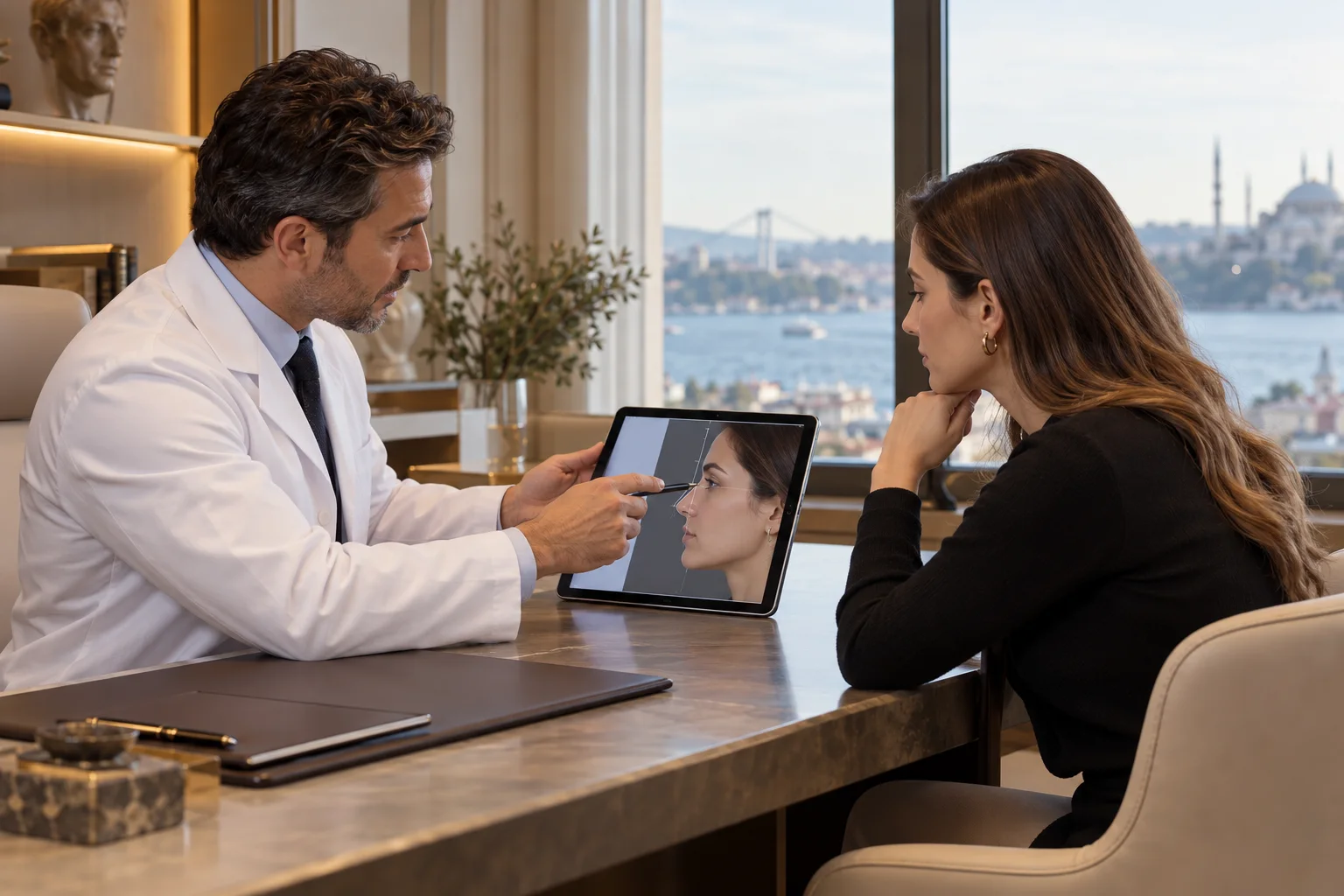
- 01RhinoplastyRhinoplasty can address shape, proportion and sometimes airway concerns; facial balance, skin, cartilage and breathing require joint assessment.
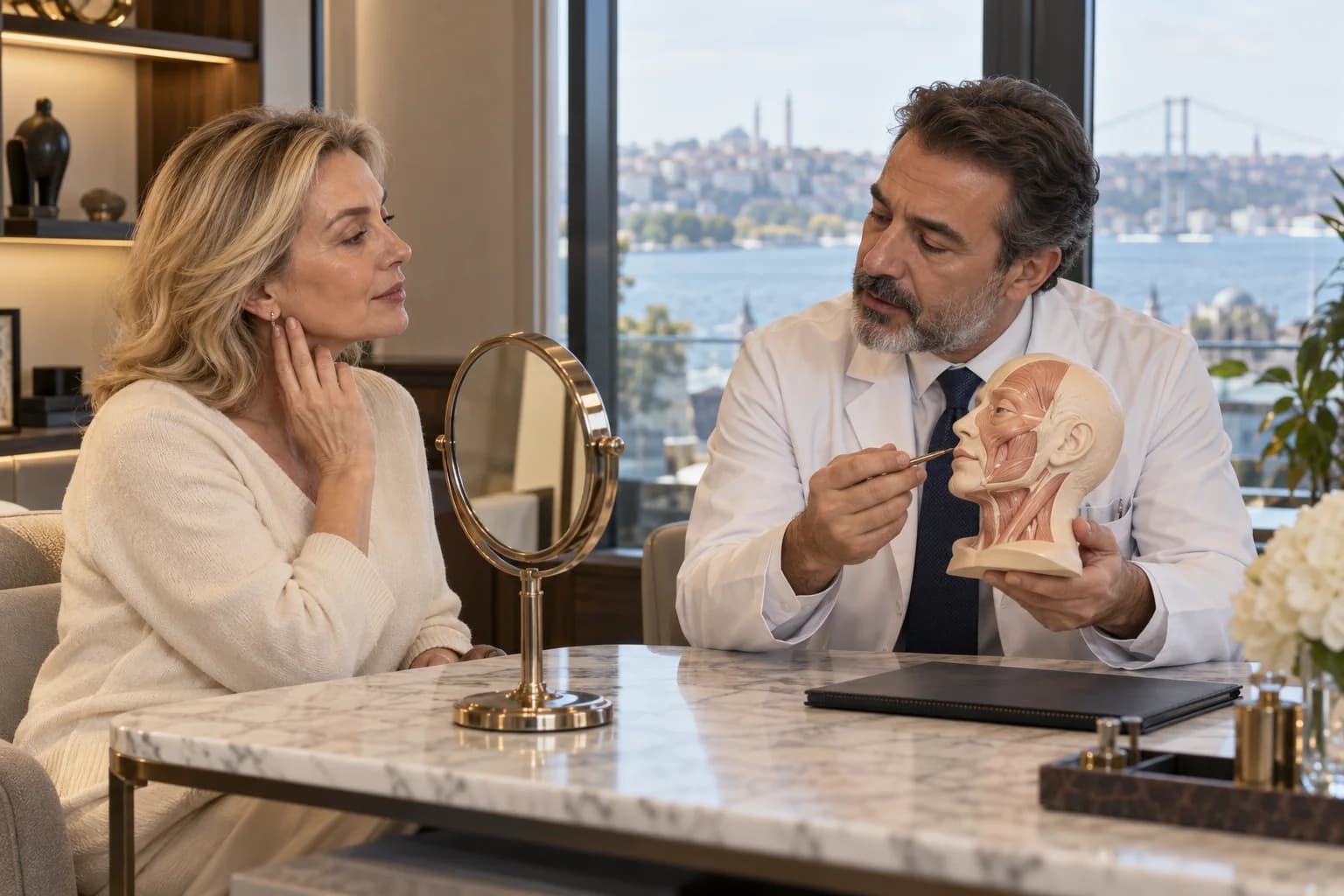
- 02Face & Neck LiftFace and neck lift planning considers skin laxity, deeper tissues, scars, anaesthesia and the limits of surgery.
- 03Eyelid SurgeryBlepharoplasty may address excess eyelid skin or fat; eye health, lid position, dryness and vision symptoms must be assessed first.

- 04Breast SurgeryBreast surgery may involve augmentation, reduction or lifting; anatomy, goals, implants where relevant and future follow-up shape the plan.

- 05LiposuctionLiposuction is body contouring, not treatment for obesity; skin quality, target areas and safe volume limits matter.

- 06Mommy MakeoverA mommy makeover is an individual combination of procedures, so staging, pregnancy plans, anaesthesia and recovery support must be reviewed carefully.

- 07BBLBBL uses fat transfer to alter buttock contour and carries specific safety concerns that must be discussed with an appropriately qualified surgeon.

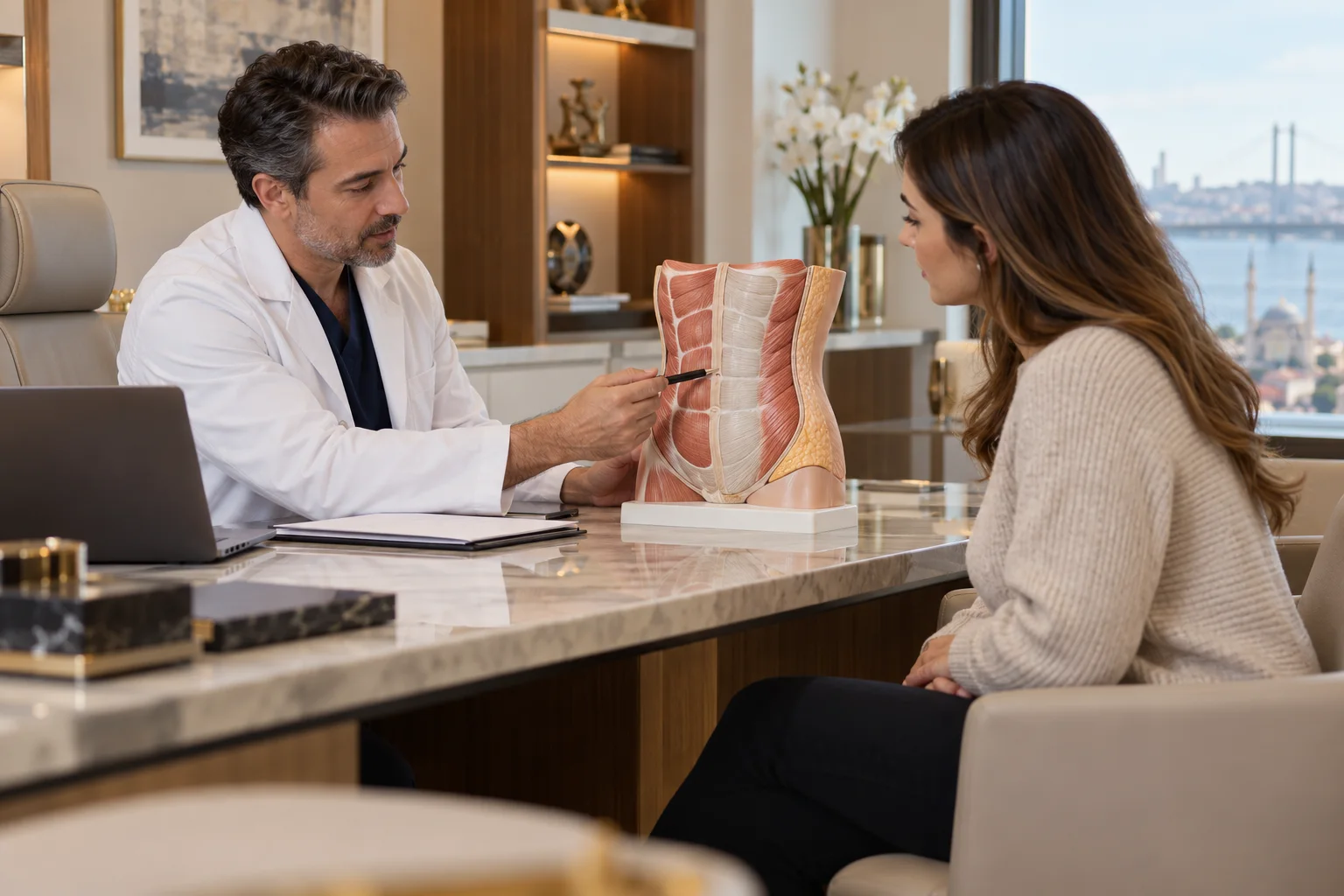
- 08Tummy TuckAbdominoplasty removes selected excess abdominal skin and may repair muscle separation; it is major surgery rather than a weight-loss shortcut.
- 09Arm & Thigh LiftArm and thigh lifts remove selected excess skin and trade improved contour for permanent scars and a structured recovery.

- 10Body LiftA body lift addresses several areas after major weight loss and may need staged surgery, nutrition review and extensive recovery planning.

- 11Non-Surgical AestheticsInjectables and other non-surgical aesthetic procedures are medical treatments whose product, dose, injector training and emergency plan matter.

The right plan starts with the right questions
- Your expectations and medical history are considered together.
- Suitability is decided through a clinical assessment.
- Travel and follow-up are coordinated around the treatment plan.
Frequently asked questions
How does the initial assessment begin?
Share the treatment you are considering and relevant information through the secure form. The coordination team explains the next step.
Who decides the treatment?
The clinical decision and treatment recommendation belong to the licensed healthcare professional who reviews your case.