Treatments
Eye Surgery
The treatments we coordinate for international patients travelling to Turkey.

Treatment overview
This treatment area includes several different pathways. Safe comparison starts with refraction, cornea or lens findings, visual needs, alternatives and postoperative review; a licensed provider must confirm the indication, alternatives and final plan.
The treating team should review your goals, relevant history and clinical findings before recommending an approach.
Your individual assessment
The treating provider should confirm diagnosis, suitability, alternatives and the exact scope before travel or payment is finalised.
refraction, cornea or lens findings, visual needs, alternatives and postoperative review
Points to discuss
- Why the proposed option may suit you
- Alternatives and the option of no treatment
- Material risks, limitations and realistic expectations
- Recovery, urgent symptoms and follow-up after you return home
How the journey is planned
- Share your goals, relevant history and available reports or images securely.
- A licensed treating team reviews the case and explains whether an in-person examination or additional tests are needed.
- Appointments, travel, accommodation and interpreter support are coordinated around the provisional clinical plan.
- The provider confirms the final plan after examination and explains recovery, warning signs and follow-up.
Recovery and continuity of care
Recovery differs by procedure and by person. Before returning home, ask for written aftercare instructions, medicine information, urgent-contact details and a follow-up plan that can be shared with your local clinician.
Questions to ask before you decide
- Who will perform the procedure and what is their role?
- Why is this option recommended and what are the alternatives?
- What material risks, limitations and possible additional treatments apply to me?
- Who should I contact during recovery and after I return home?
Independent patient information
These independent resources support an informed conversation with the treating professional; they do not replace an examination or personal medical advice.
Related treatments
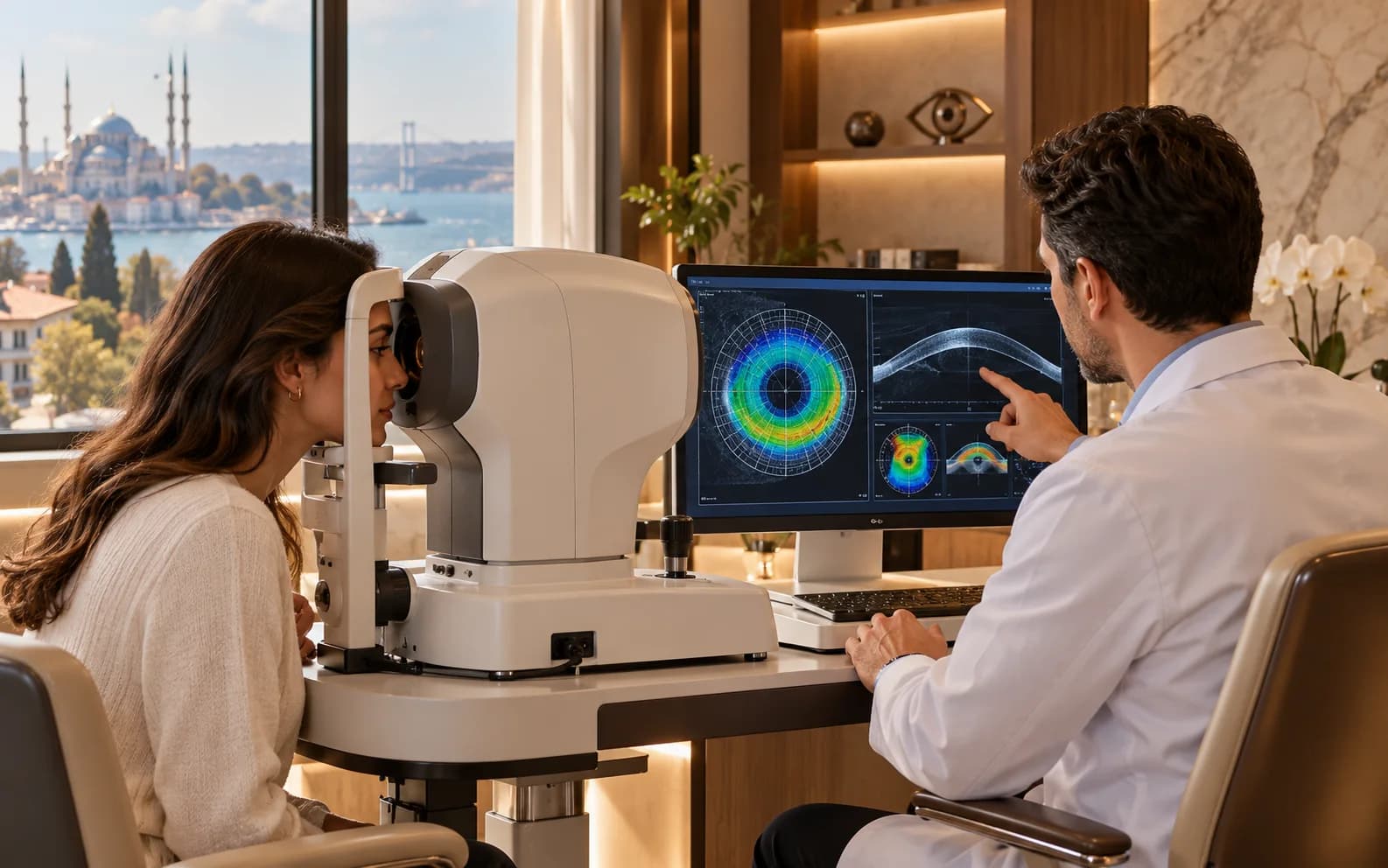
- 01LASIKLASIK reshapes the cornea to reduce selected refractive errors; stable prescription, corneal measurements and realistic visual goals are essential.
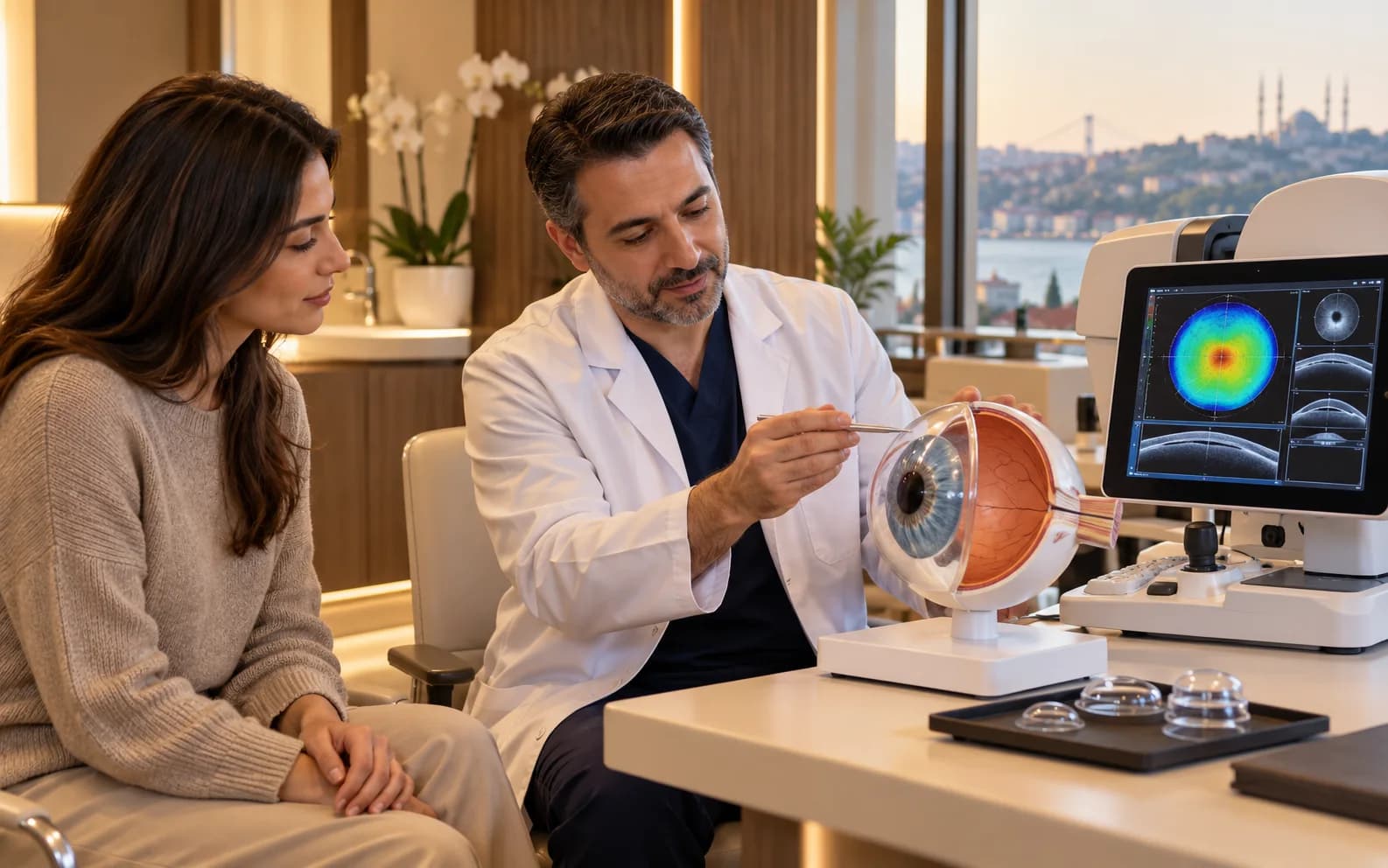
- 02PRK / TransPRKPRK and TransPRK reshape the corneal surface without a LASIK flap and usually involve a different early recovery experience.
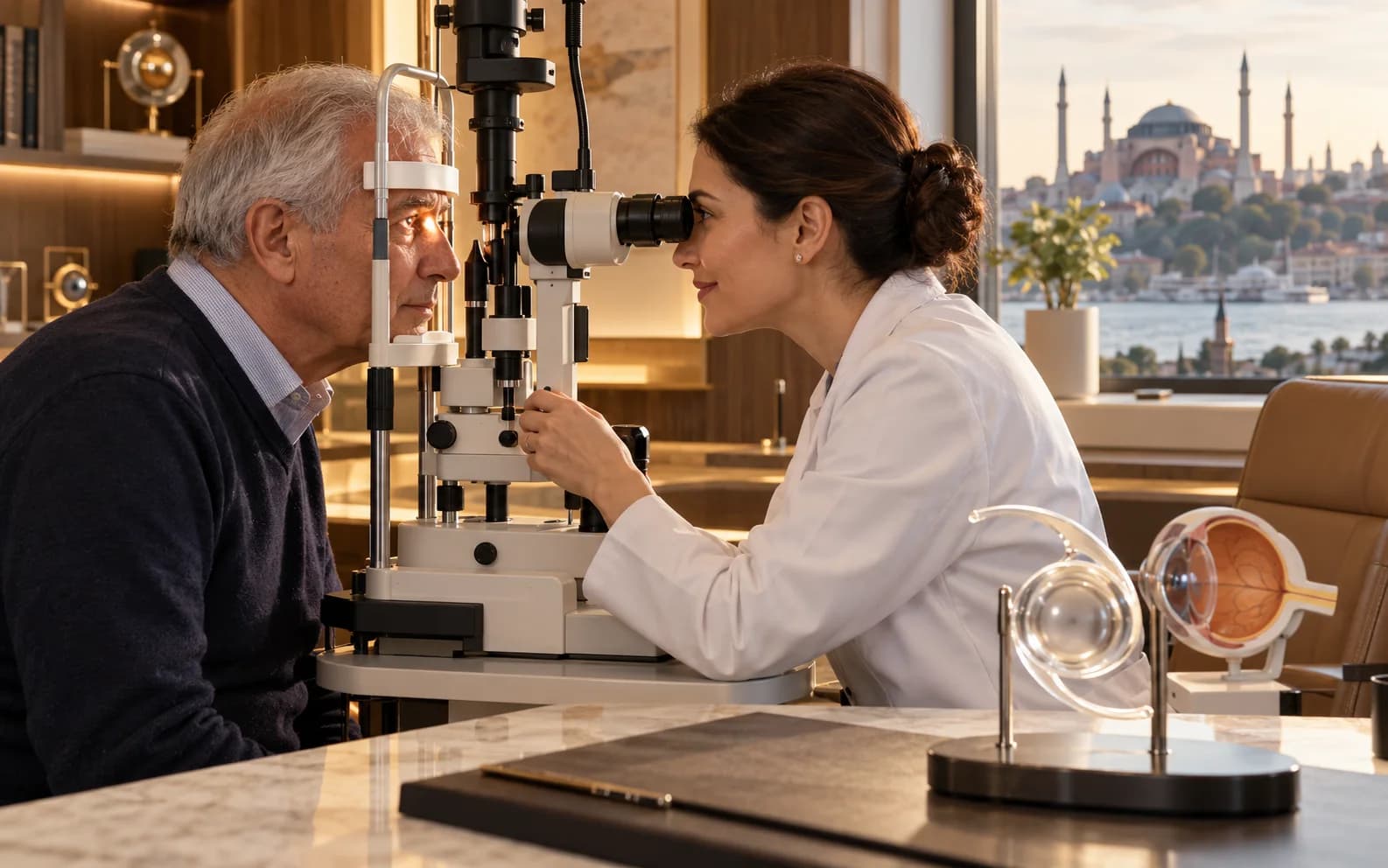
- 03Cataract SurgeryCataract surgery replaces a cloudy natural lens with an intraocular lens when symptoms and daily-life impact justify treatment.
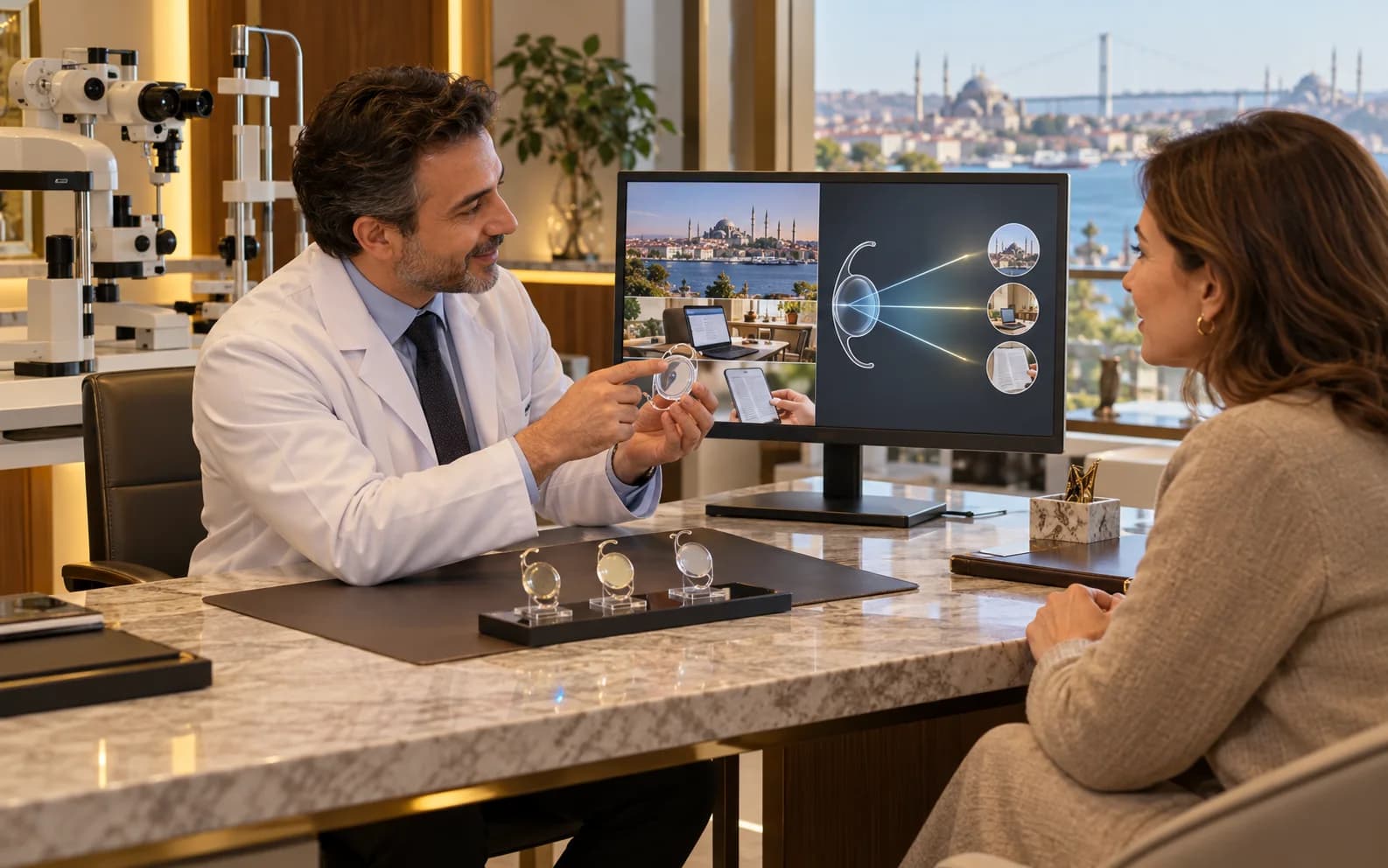
- 04Smart / Trifocal LensTrifocal or other premium intraocular lenses may reduce dependence on glasses, but optical trade-offs and eye health must be discussed.
The right plan starts with the right questions
- Your expectations and medical history are considered together.
- Suitability is decided through a clinical assessment.
- Travel and follow-up are coordinated around the treatment plan.
Frequently asked questions
How does the initial assessment begin?
Share the treatment you are considering and relevant information through the secure form. The coordination team explains the next step.
Who decides the treatment?
The clinical decision and treatment recommendation belong to the licensed healthcare professional who reviews your case.